
Your Roof Looks Fine. So Why Is It Leaking?
September 8, 2026 · Certified Best Roofing
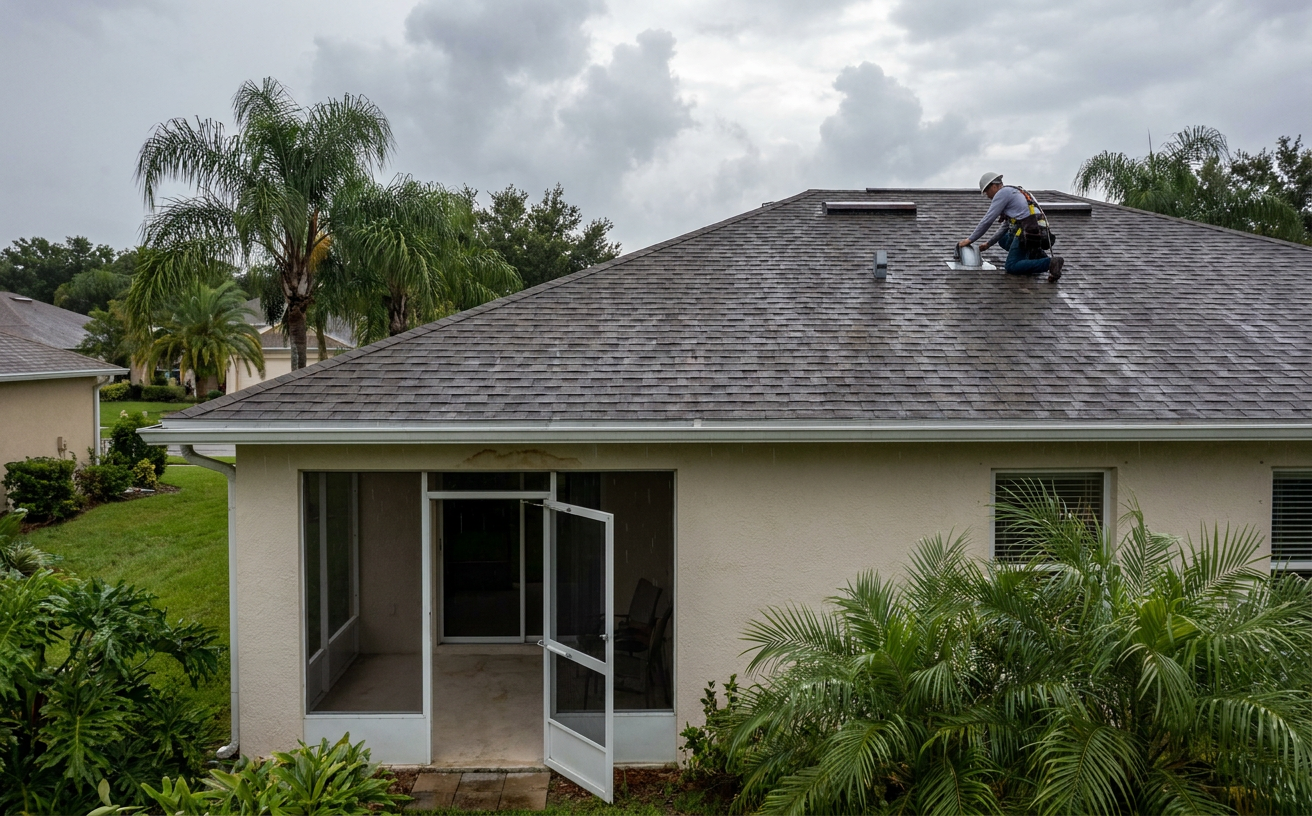
A roof can look fine from the ground while hidden damage lets water inside. Learn what could be happening behind the scenes, what homeowners often mistake for a roof leak, and why finding the source is the first step toward protecting your home.
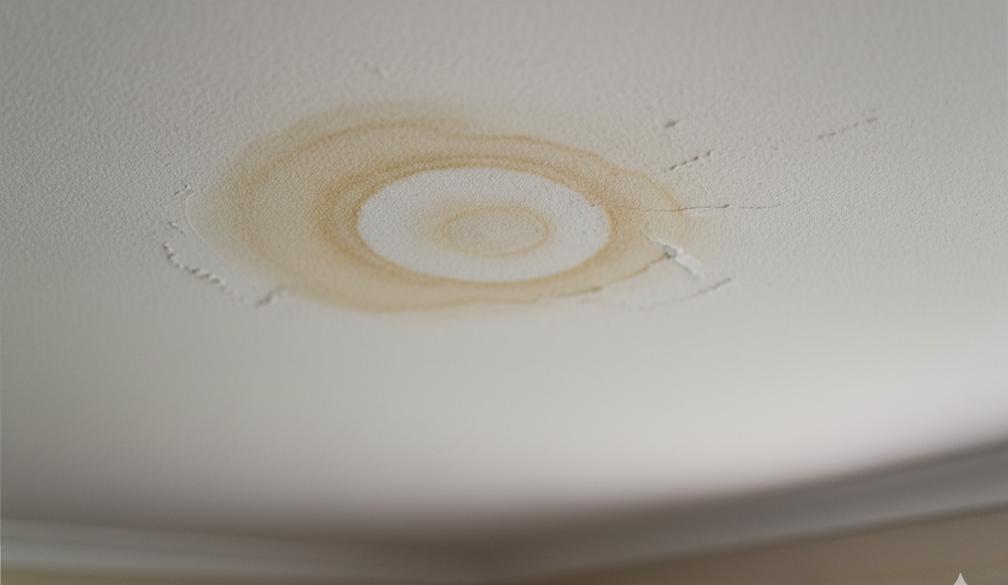
It’s a frustrating mystery: you notice a water stain on your ceiling, but when you look at your roof from the ground, everything appears perfectly fine. No missing shingles. No obvious holes. No major storm damage.
So, where is the water coming from? The answer may be hiding beneath the surface.
Your roof is much more than the shingles, tiles, or metal you see from the ground. It is a complete system made up of multiple layers and components that work together to keep water out of your home. Sometimes, a small problem with one of those components can allow water to enter without leaving an obvious sign of damage.
Even a tiny opening around flashing, a vent, or another vulnerable area can give water a pathway into your home. And because water doesn't always travel straight down, the spot where you see a ceiling stain may not be directly beneath the actual source of the leak.
That’s why finding a roof leak isn't always as simple as looking for a damaged shingle.
So, how can water get in when your roof looks fine?
Capillary Action: When Water Finds the Smallest Spaces
It sounds like something from a science class, but capillary action can help explain how water gets into surprisingly small spaces.
Think about what happens when you dip the corner of a paper towel into water. The water doesn't simply stay at the bottom, it slowly travels upward through the tiny spaces in the paper. A similar thing can happen with roofing materials. When water finds a small gap between closely fitted materials, such as around flashing or overlapping roofing components, it can work its way into those spaces.
You don't necessarily need a large hole or obvious damage for water to find a way inside. Sometimes, a small opening is all it takes.
Florida Heat and Temperature Changes
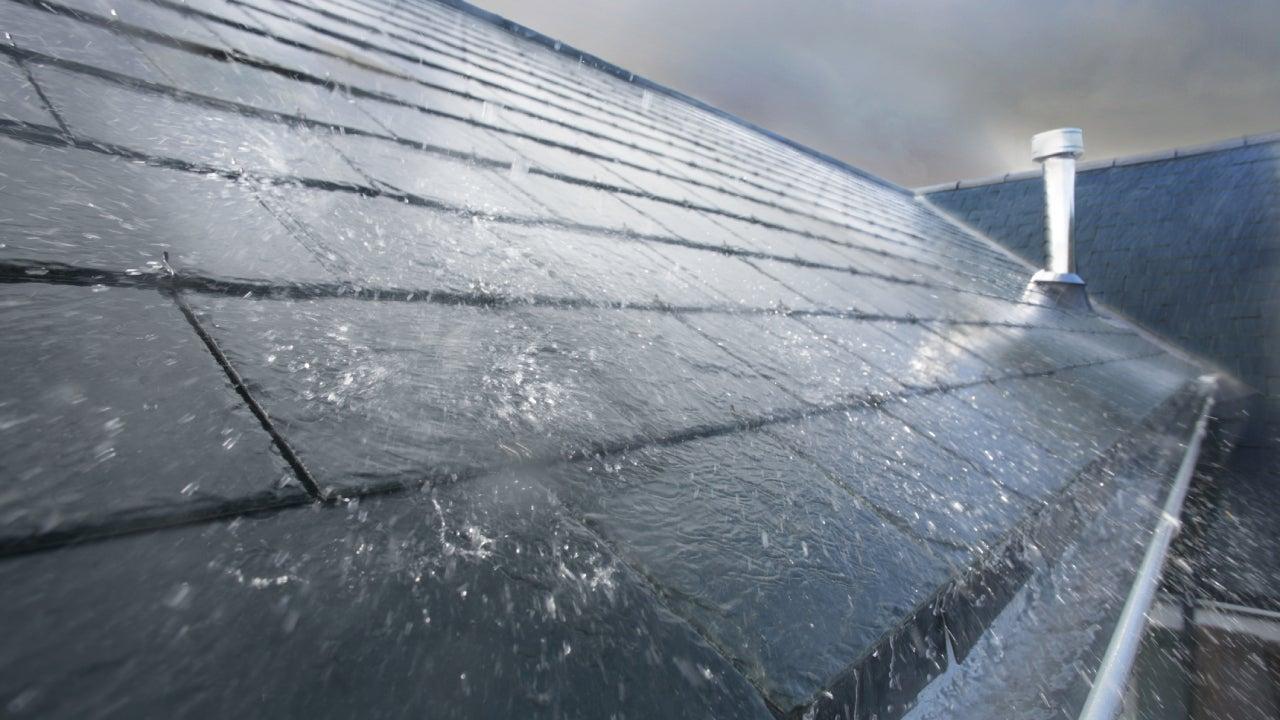
Your roof also has to deal with a lot of temperature changes throughout the year. Here in Central Florida, your roof can spend hours absorbing intense sunlight and heat before temperatures drop in the evening. Over time, the repeated expansion and contraction of roofing materials can put stress on sealants, fasteners, flashing, and other components.
That doesn't mean every temperature change will cause a leak, but over many years, normal wear and movement can contribute to small weaknesses that eventually allow water to enter.
And when Florida's heavy rain arrives, those small weaknesses can suddenly become much more noticeable.
The Unseen Problem: Flashing
Flashing is one of the most important, and most overlooked parts of your roofing system.
Flashing is used around areas where water is especially likely to collect or where different surfaces meet. You may find it around vents, walls, chimneys, skylights, roof valleys, and other roof penetrations. Its job is simple: help direct water away from vulnerable areas.
But flashing problems aren't always easy to spot.
Flashing can become damaged, corroded, improperly sealed, or separated over time. Sealants can also deteriorate from years of sun, heat, and weather exposure. A problem may be small enough that you can't see it from the ground, but large enough to let water into your home during a heavy rain.
This is one reason a roof that looks perfectly fine from your driveway can still have a leak.
When the Underlayment Fails: Your Roof's Backup Protection
Your shingles or other roofing material aren't the only thing standing between your home and the rain!
Underneath your roofing material is another important layer called the underlayment. It provides an additional layer of protection against water that may get beneath the outer roofing material.
Over time, underlayment can deteriorate due to age, heat, moisture, or installation issues. Depending on the age and construction of your roof, the condition of this hidden layer can be difficult to determine without a closer inspection.
That's why a roof inspection isn't simply about looking for missing shingles. Sometimes, the problem is with something you can't see from the ground.
Is It Actually a Roof Leak? Things Homeowners Often Mistake for One
Here's where things can get a little tricky.
If you notice a water stain on your ceiling, it's natural to assume your roof is leaking. And sometimes, it is. But not every ceiling leak or water stain is caused by a problem with the roofing material itself.
Water can enter your home through several different sources, and because it can travel before it becomes visible, the location of the stain doesn't always tell the whole story.
Some common possibilities include:
Plumbing Leaks
A leaking pipe, plumbing connection, or fixture can create water stains that look very similar to a roof leak.
If the problem happens to be near the attic or ceiling, it can be especially difficult to tell the difference without investigating the source.
HVAC Condensation
Your air conditioning system produces condensation, and problems with drainage or other HVAC components can sometimes result in moisture around the attic or ceiling.
In Florida, where air conditioning systems work hard for much of the year, it's worth considering this possibility when investigating unexplained moisture.
Bathroom or Ventilation Issues
Moisture from bathrooms can make its way into the attic when ventilation isn't working properly. Over time, excess moisture can contribute to staining, deterioration, or other problems that may be mistaken for a roof leak.
Gutters and Drainage
Your gutters play an important role in moving rainwater away from your roof and home.
When gutters are clogged or drainage isn't working properly, water can back up or overflow and potentially find its way into areas where it shouldn't.
Condensation or Moisture in the Attic
Sometimes the source isn't a sudden leak at all. Excess moisture or condensation in an attic can create dampness or staining that resembles water intrusion from the roof.
The takeaway? Don't assume the first visible stain tells you exactly where the problem started. Finding the true source is the first step toward making the right repair.
How Professionals Track Down a Roof Leak
Leak detection is a process of following evidence. A roofing contractor should gather details about when the leak appears, where it is visible, and what weather was happening at the time. A leak during every rain may have a different cause than one that appears only during tropical weather.
A typical investigation may include:
Checking the interior: The contractor reviews stains, damaged finishes, and possible non-roof water sources.
Inspecting the attic: When access is safe and available, the attic may reveal wet insulation, water tracks, dark wood, or rusty fasteners.
Following the water path: The inspector works uphill from the visible damage because water usually enters above the final drip point.
Examining the roof: Shingles, metal panels, valleys, flashing, vents, pipe boots, fasteners, and roof edges are checked.
Reviewing drainage: Gutters, downspouts, valleys, and low areas are examined for debris or poor water flow.
Testing when appropriate: A controlled water test may help isolate an opening, but it must be done carefully to avoid adding unnecessary water.
Photos and written notes can help explain what was found. They may also support decisions about repairs and provide useful records if storm damage is involved.
Don't Wait for a Ceiling Stain to Tell You There's a Problem
The best time to find a small roofing problem is before it becomes a major one.
You can start by occasionally looking at your roof from the ground, especially after severe weather. Keep your gutters clear and pay attention to changes around your home, such as new ceiling stains, damp areas, or unexplained moisture.
But remember: some of the most important parts of your roofing system aren't visible from the ground. That's where professional inspections with Certified Best Roofing can help. Catching a small issue early may allow for a targeted repair instead of waiting until a minor problem becomes extensive water damage.
Think of it like a checkup for your roof. You don't wait for something to become a major problem before you investigate it.
If you've noticed a water stain, unexplained moisture, or anything else that makes you wonder whether your roof is doing its job, don't ignore it. Finding the source early can help protect your home and prevent unnecessary damage. Let Certified Best Roofing trace the source and explain the next step. Request an estimate for your Central Florida property or call (407) 602-3363.
Frequently asked questions
- How can my roof be leaking if I can't see any broken shingles?
- Roof leaks can originate from many different parts of the roofing system, including flashing, roof penetrations, seals, underlayment, and other areas that aren't easily visible from the ground. Water can also travel before it becomes visible inside your home.
- What is roof flashing and why is it so important?
- Flashing is a thin roofing component, usually galvanized steel, that directs water away from critical areas of your roof like chimneys, vents, and valleys. If it fails, it creates a direct path for water to get into your home, making it a common source of invisible leaks.
- Can I find a small roof leak myself?
- While you might spot the signs of a leak inside, like a water stain, finding the source on the roof is very difficult without experience. Professionals are trained to spot subtle clues and can do so safely, so a DIY roof inspection is not recommended for finding hidden leaks. Professional evaluation is also safer than climbing onto your roof yourself.
- Is a ceiling stain always caused by a roof leak?
- No. Plumbing problems, HVAC condensation, attic moisture, ventilation issues, and drainage problems can also cause water stains or moisture inside a home. That's why identifying the actual source is so important.
- Will roof sealant stop a hidden leak?
- Sealant may temporarily slow some leaks, but it will not fix damaged flashing, wet decking, or poor drainage. A lasting repair must identify the entry point and restore the roof system correctly.
- What should I do if my roof starts leaking during a storm?
- Move people and belongings away from the wet area, catch drips when safe, and avoid water near electrical fixtures. Photograph the damage and contact a roofing contractor about emergency protection, such as professional tarping.
- How often should I have my roof inspected?
- It's best to have a professional roof inspection at least once a year, as well as after any major storm. Regular inspections can catch hidden problems like failing flashing or underlayment degradation before they turn into a major roof leak repair.
- roof leaks
- roof repair
- roof inspection
- storm damage
- central florida
Need a roof you can stop thinking about?
Free inspections and estimates across Central Florida, with financing available.