RECENT BLOG POSTS

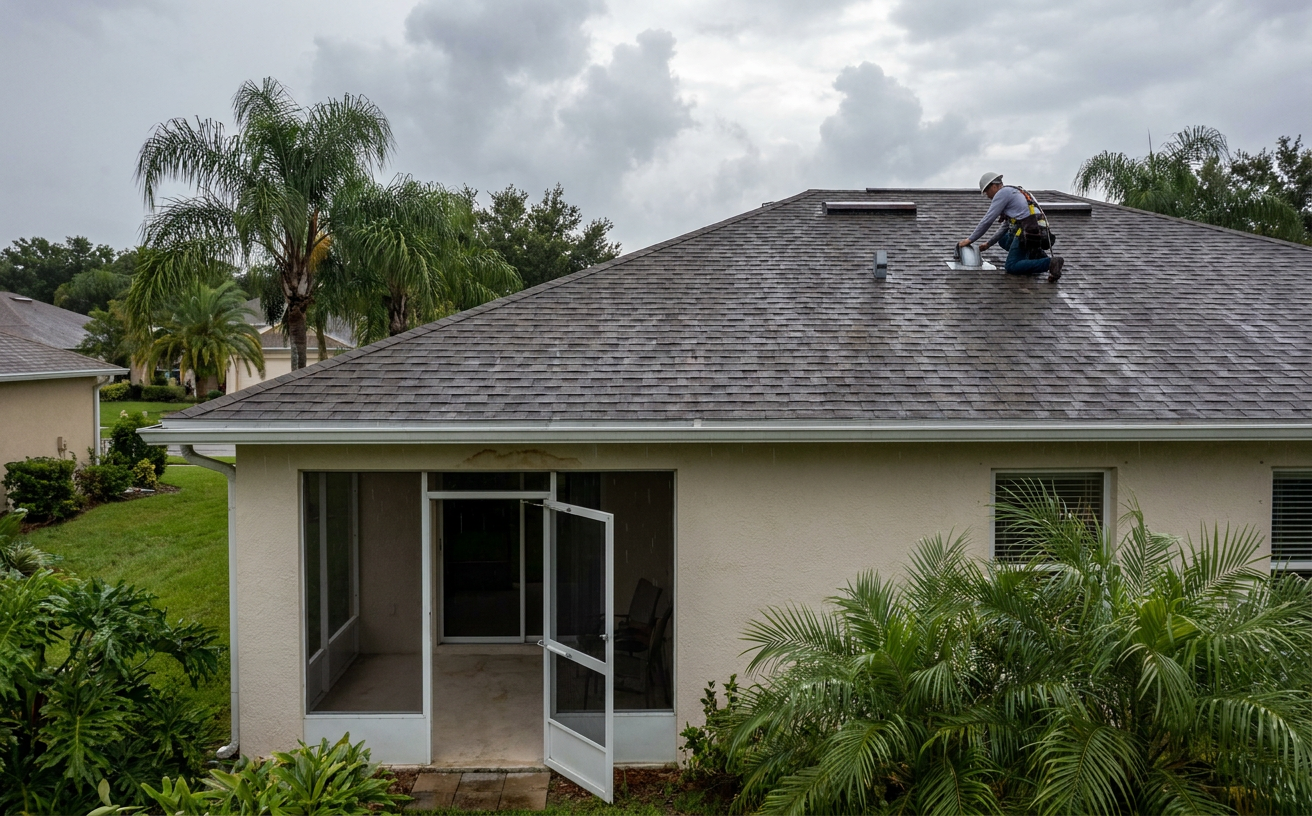
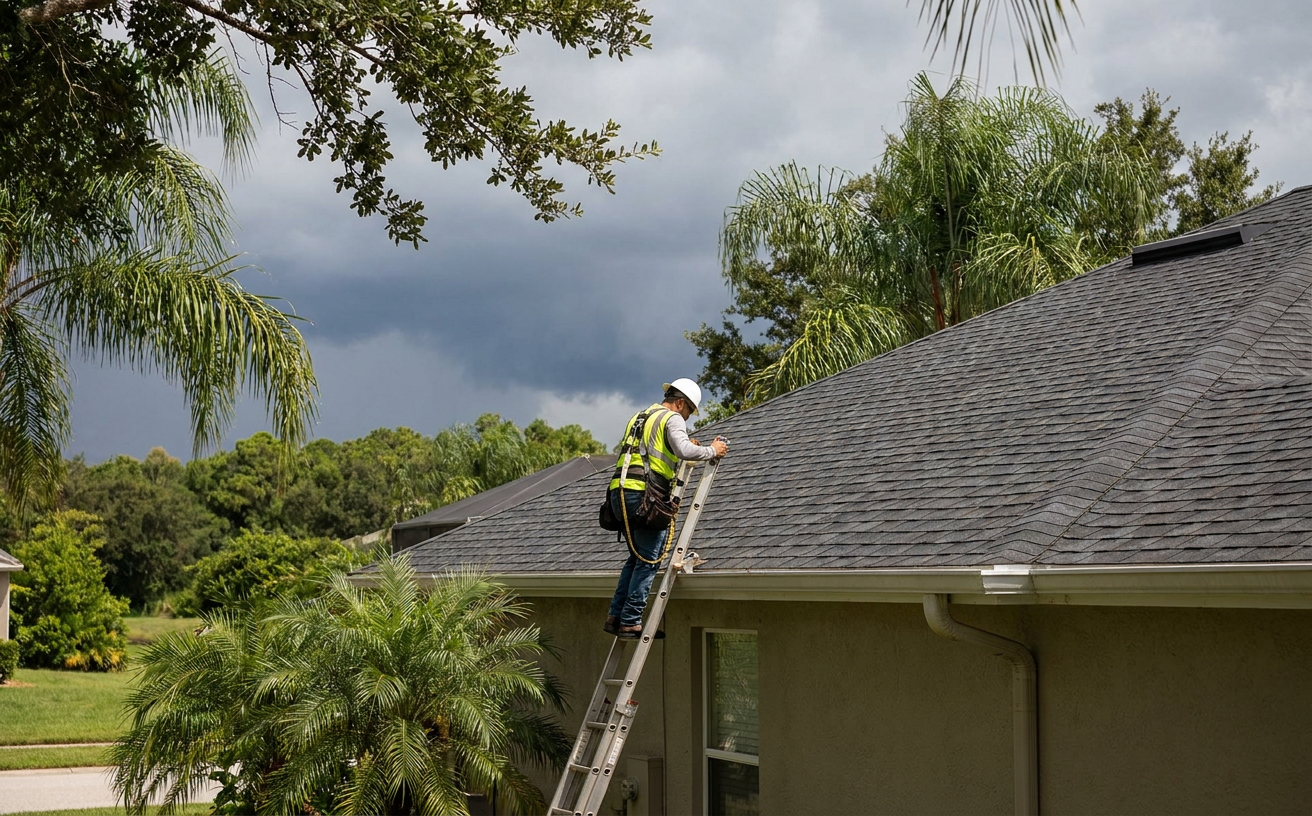
Florida's summer storms are no joke. One minute the sun is shining, and the next, high winds and hail are battering your home. If you suspect you have roof damage, you might be asking, 'How do I file a roof insurance claim for storm damage in Florida?' The process starts with ensuring your family's safety, then carefully documenting all visible damage from the ground. Next, you'll call a trusted professional for a thorough roof inspection to assess the full extent of the problem. Finally, you will contact your insurance company to officially start the claims process. This guide will walk you through each step, showing you how to handle your storm damage roof repair claim with confidence and how partnering with the best roofing company can make all the difference.

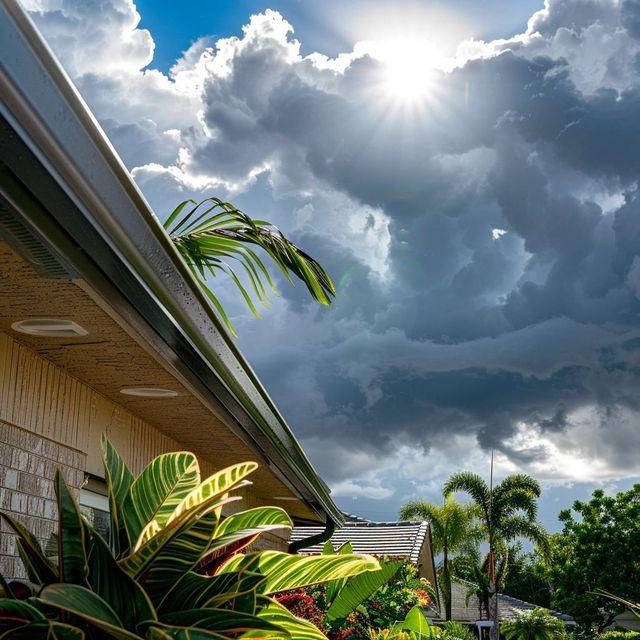
Living in Central Florida, you know the summer routine: bright sun, soaring heat, and then, like clockwork, the afternoon thunderstorm. But did you know this daily cycle could be silently damaging your roof? This phenomenon is called thermal shock. So, what is thermal shock on a Florida roof? It’s the stress your roofing shingles endure when they go from a blistering 150 degrees under the sun to being suddenly drenched by cool rainwater, causing a rapid temperature drop. This drastic change makes the shingle materials expand and contract violently. Over time, this repeated stress, a major cause of Florida roof stress , leads to tiny cracks, granule loss, and eventually, premature roof failure. It’s a hidden danger that can take years off your roof’s life, leading to unexpected and expensive repairs down the road. Learn more about our roof inspection services.

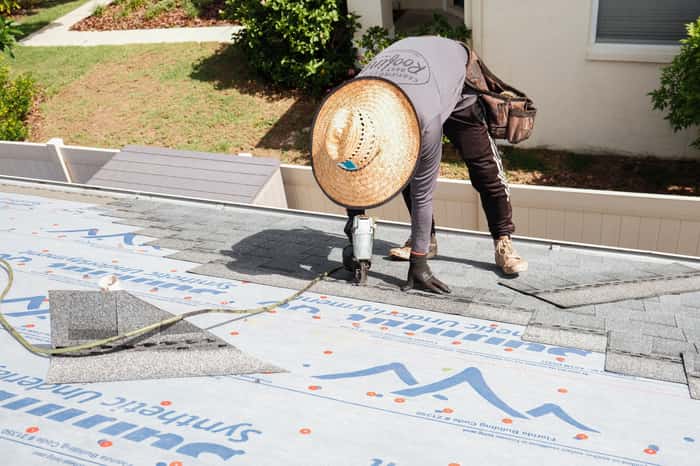
The hail and wind storm that moved through parts of Central Florida earlier today was no joke. While many homeowners immediately look for obvious signs of damage like broken screens or dented gutters, roof damage is often much harder to spot from the ground. At Certified Best Roofing, our interactive hail mapping system alerted us that several areas across Central Florida experienced hail ranging from approximately 0.5" to 1.25" in size, along with strong winds. Many homeowners assume smaller hail cannot damage a roof, but that is not always true. Older roofs are often more vulnerable because shingles become brittle over time. In many cases, smaller hail can cause granule loss, bruising, cracked shingles, or weakened roofing materials that may not be immediately visible.