
Roof Insurance Inspection vs. Insurance Adjuster Inspection: What Is the Difference?
November 13, 2026 · Certified Best Roofing
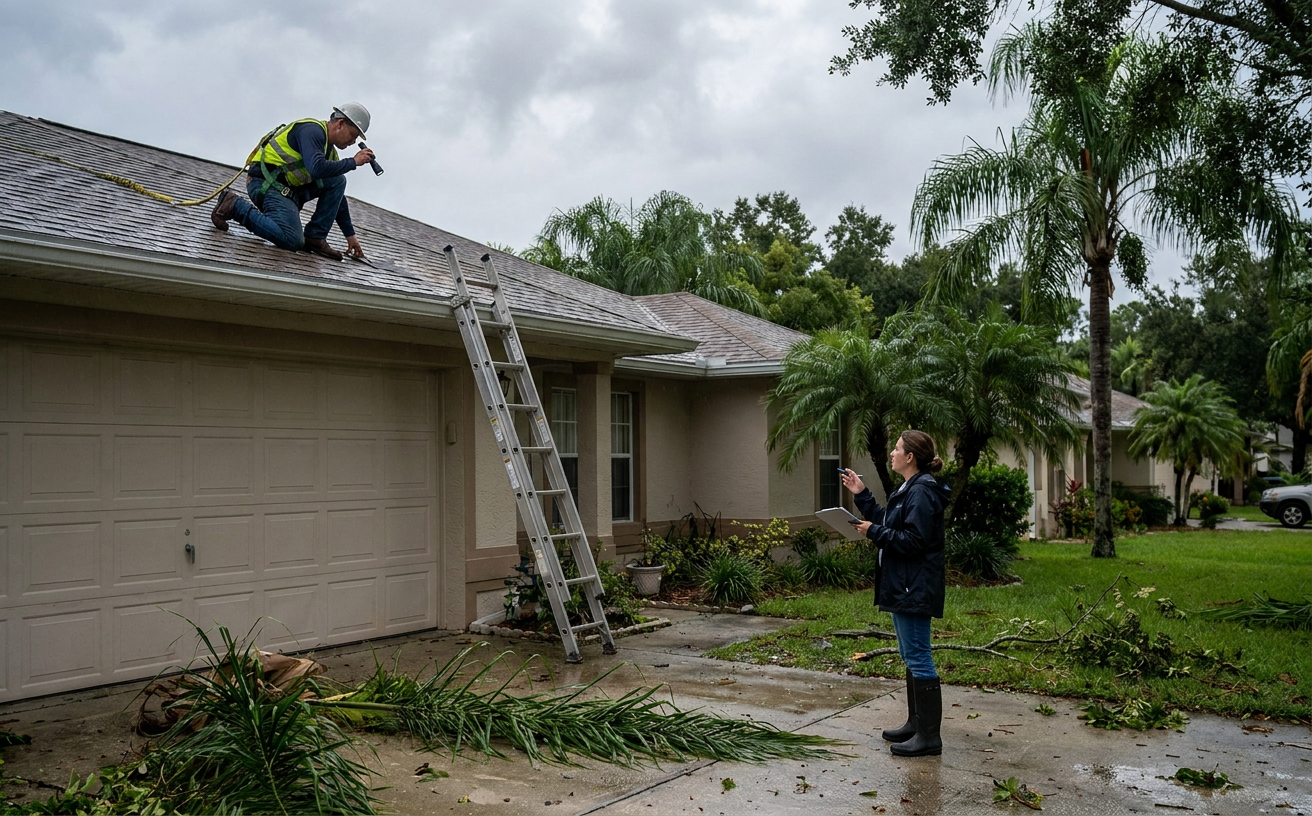
A roofing contractor documents damage and plans repairs, while an insurance adjuster evaluates the loss for the insurer. Learn what Central Florida homeowners should expect from each inspection.
After a storm damages your roof, you may find yourself dealing with both a roofing contractor and an insurance adjuster. While both may inspect the damage, they aren't looking at your roof for the same reasons.
A roofing contractor evaluates your roof's condition, documents visible damage, and explains what repairs may be needed. An insurance adjuster investigates the reported damage on behalf of the insurance company and provides findings for the claim review.
Understanding the difference can help you know what to expect, who to ask for answers, and what role each inspection plays in the Florida insurance claims process. Before you file a claim or schedule an inspection, here's what every Central Florida homeowner should know.
What Is a Roof Inspection for an Insurance Claim in Florida?
A roof inspection for an insurance claim in Florida is a detailed review after wind, hail, falling debris, or another reported event. A roofing contractor looks for visible damage and signs that water entered the roofing system.
This inspection is not the same as a claim decision. Its purpose is to document the roof’s condition and explain what may need repair or replacement. Homeowners can request a professional roof inspection before or after opening a claim, depending on the situation.
Central Florida roofs face strong sun, high humidity, heavy rain, and hurricane-season winds. Older wear may exist beside new storm damage. A careful inspection should separate normal aging from damage that appears tied to a recent event.
What Does a Roofing Contractor Inspect After a Storm?
A roofing contractor normally checks the roof surface, roof edges, openings, and accessible interior areas. The goal is to find damage, trace leaks, and develop a practical repair plan.
The inspection may include:
Missing, lifted, creased, cracked, or loose shingles
Broken, shifted, or chipped roof tiles
Dents or damage on metal roofing and roof vents
Loose flashing around chimneys, walls, valleys, and roof openings
Damage near ridges, eaves, gutters, soffits, and fascia
Punctures caused by branches or flying debris
Water stains, damp decking, or signs of leaks in the attic
Soft or weakened roof decking when it can be safely evaluated
Emergency coverings or temporary repairs already in place
The contractor may take wide photos to show the affected roof section and close photos to show specific damage. Measurements, written notes, and a repair estimate may also be prepared. For major tropical weather, a hurricane damage inspection can help document wind and water concerns across the roofing system.
What Does an Insurance Adjuster Do?
An insurance adjuster investigates the loss for the insurance company. The adjuster may work directly for the insurer or may be an independent adjuster assigned by the insurer.
The adjuster reviews the claim details, looks at reported damage, and compares the findings with the insurance policy. The adjuster may also review photos, contractor estimates, weather information, prior claims, maintenance records, and the age and condition of the roof.
During the visit, the adjuster may:
Inspect exterior and interior areas connected to the reported loss
Photograph and measure damaged sections
Ask when and how the damage was discovered
Look for signs of old wear or earlier leaks
Prepare an estimate using the insurer’s claim process
Send findings to the insurance company for review
The adjuster’s estimate and the contractor’s estimate may not match. They may use different measurements, identify different work, or learn new facts at different times. A difference does not automatically mean either inspection is dishonest or wrong.
Contractor Inspection vs. Adjuster Inspection
The easiest way to understand the difference is to look at who each professional serves and what decision each one makes.
Roofing contractor: Evaluates roof damage, repair methods, materials, labor, code-related work, and expected construction needs.
Insurance adjuster: Investigates the reported loss and provides findings for the insurer’s coverage and payment process.
Insurance company: Makes the claim decision based on the policy, investigation, and submitted records.
Building department: Handles required permits and inspections for work subject to local rules.
A contractor can explain roof damage and provide documents through legitimate insurance claim assistance. However, the contractor does not control coverage, deductibles, depreciation, claim deadlines, or payment decisions.
Can a Roofing Contractor Approve or Deny a Claim?
No. A roofing contractor cannot approve or deny an insurance claim. Only the insurance company can make a coverage decision under the policy.
A contractor can report observed conditions, prepare an estimate, answer construction questions, and provide photos. The contractor may also explain why certain repair steps are needed. This can help the insurer evaluate the work, but it does not guarantee coverage or payment.
Homeowners should be careful with anyone who promises that a claim will be approved or says a “free roof” is certain. Read documents before signing, verify the contractor’s license, and ask the insurer direct questions about coverage. Our insurance claims information explains how roofing documentation can fit into the broader process.
What Photos and Records Should Homeowners Keep?
Good records help show what happened and what steps you took. Keep original files when possible, since they may include the date and time the photo was taken.
Save the following items in one folder:
Wide photos of every side of the home and roof that can be seen safely
Close photos of missing materials, dents, debris impacts, and damaged exterior parts
Interior photos of ceiling stains, wet insulation, bubbling paint, or damaged belongings
Photos taken before temporary tarping or emergency repairs
The date and approximate time the damage was noticed
Storm notices, claim numbers, emails, letters, and adjuster contact details
Contractor inspection reports, estimates, invoices, and material information
Receipts for reasonable emergency steps taken to prevent more damage
Permit records and inspection documents from completed repairs
Do not climb onto a wet, steep, or damaged roof to take pictures. Photograph what you can from the ground or through safe interior access. Leave roof-level documentation to trained professionals.
What If Additional Damage Is Discovered?
Some damage cannot be seen during the first inspection. Wet decking, hidden flashing problems, or damaged materials may appear only after work begins and roof coverings are removed.
If additional damage is found, pause that part of the work when practical and document the condition. The contractor should take clear photos, note the location, and describe the added work. The homeowner should then contact the insurance company and follow its instructions.
The insurer may ask for a revised estimate, added photos, or another inspection. This request is often called a supplement, which means added claim information for damage or work not included in the first estimate. A supplement is a request for review, not an automatic approval.
Do not cover hidden damage before it is documented unless immediate action is needed to protect the building. Safety and preventing further water entry come first. Keep receipts and photos of all emergency work.
Repairs, Permits, and Inspections in Central Florida
Insurance approval and permission to begin construction are separate issues. Roof work may require a local permit, and the building department may inspect the project at set stages. Requirements can vary by city, county, roof type, and scope of work.
A proper repair plan should account for current permit and inspection requirements. The insurer’s estimate does not replace a permit, and a permit does not decide insurance coverage. Ask the contractor who will obtain the permit and how required inspections will be scheduled.
If covered funds do not address every desired upgrade or owner-selected item, qualified homeowners may review financing options. Financing is separate from the insurance claim and remains subject to approval and terms.
How to Prepare for Both Inspections
Protect people first. Stay away from fallen lines, unstable ceilings, standing water, and loose roof materials.
Limit further damage. Arrange safe temporary protection when needed, but avoid permanent repairs until the insurer provides instructions.
Report the loss promptly. Follow the notice steps and deadlines stated in your policy.
Gather your records. Have photos, receipts, inspection notes, and the claim number ready.
Request clear explanations. Ask the contractor about repair needs and ask the insurer about coverage decisions.
Compare documents carefully. Look for missing roof sections, materials, interior damage, or code-related work that needs clarification.
A contractor and an adjuster have different jobs, but accurate documentation helps both inspections. If your Central Florida roof may have storm damage, request an inspection and estimate from Certified Best Roofing before small problems lead to more water damage.
Frequently asked questions
- What is the difference between a roof inspection and an insurance adjuster inspection?
- A roofing contractor inspects the roof to identify damage and plan repairs. An insurance adjuster investigates the reported loss for the insurer and helps evaluate the claim under the policy.
- Can a roofing contractor approve an insurance claim in Florida?
- No. A roofing contractor can document damage, prepare an estimate, and answer construction questions, but only the insurance company can approve or deny coverage under the policy.
- Should my roofing contractor attend the insurance adjuster inspection?
- A contractor may attend if the homeowner and insurer allow it. The contractor can point out documented roof conditions and answer repair questions, but cannot control the adjuster’s findings or the claim decision.
- What photos should I take after roof storm damage?
- Take safe ground-level photos of each side of the home, visible roof damage, fallen debris, and damaged gutters or siding. Also photograph interior stains, wet materials, and belongings before cleanup or temporary repairs.
- What happens if hidden roof damage is found after repairs begin?
- The contractor should photograph and describe the newly discovered damage before covering it when practical. Contact the insurer promptly because it may request a revised estimate, more records, or another inspection.
- Does an insurance claim approval replace a roofing permit?
- No. Insurance coverage and local building approval are separate matters. Roof work may still require a permit and inspections from the city or county building department.
- Will insurance pay for all roof storm damage in Florida?
- Payment depends on the cause of damage, policy terms, exclusions, deductible, roof condition, and the insurer’s investigation. A contractor can estimate needed work but cannot promise that insurance will pay for it.
- roof inspection
- insurance claims
- storm damage
- florida roofing
- hurricane damage
Need a roof you can stop thinking about?
Free inspections and estimates across Central Florida, with financing available.