
How Much Should a New Homeowner Budget for Roofing Expenses?
October 16, 2026 · Certified Best Roofing
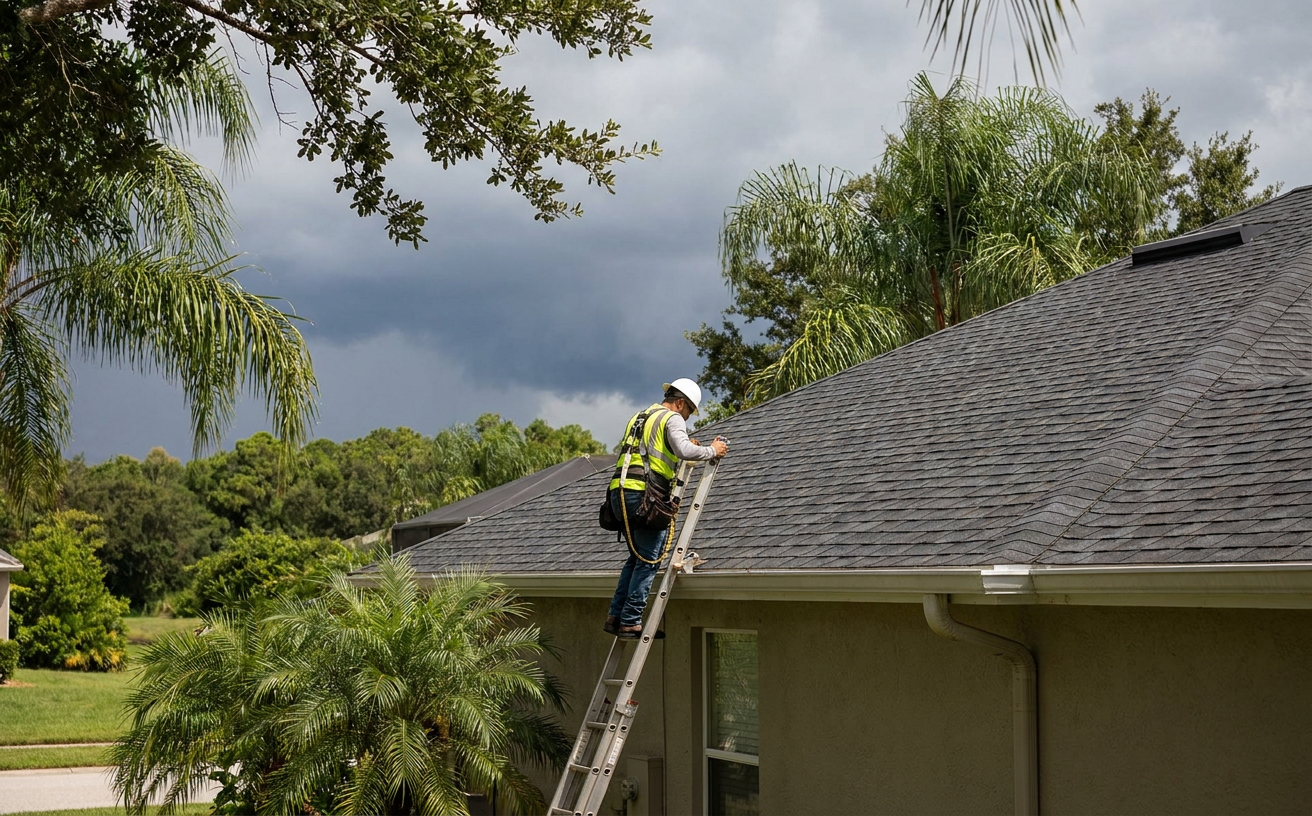
A practical roofing budget includes money for routine care, surprise repairs, your insurance deductible, and eventual replacement. Learn how Central Florida homeowners can plan each amount.
Buying a home comes with plenty of expenses, and your roof is one you don't want to overlook. From routine maintenance and unexpected repairs to a full roof replacement, roofing costs can add up over time. Without a plan, even a small repair can catch you off guard.
The good news is that you don't have to wait for a leak or storm damage to start thinking about your roofing budget. Planning ahead can help you prepare for routine upkeep, handle unexpected problems, and save for a future replacement before it becomes urgent.
So, how much should you set aside? The answer depends on your roof's age, condition, size, and materials, along with the weather it faces here in Central Florida. Let's look at the main roofing expenses every homeowner should plan for and how you can build a budget that works for your home.
Why There Is No Single Roofing Budget for Every Home
Two similar Central Florida homes can have very different roofing needs. One may have a newer, simple shingle roof. The other may have an older roof with several slopes, skylights, worn flashing, and signs of past leaks.
Florida weather also affects the budget. Strong sun can wear roofing materials. Heat and afternoon rain cause repeated heating and cooling, while humidity can make trapped moisture more serious. Hurricane season adds the risk of wind, falling limbs, and wind-driven rain.
Your budget should reflect the actual home instead of a broad online average. A local estimate is more useful because labor, materials, access, permit needs, and roof design all affect the final scope.
Build Your Roofing Budget in Four Parts
A roofing budget is easier to manage when it is divided into separate categories. This helps prevent routine care, storm damage, and long-term replacement from competing for the same dollars.
1. Inspection and Routine Care
Begin with a dedicated amount for professional evaluation and basic upkeep. A general home inspection may identify visible concerns, but a focused roof inspection can provide more detail about shingles or panels, flashing, vents, penetrations, and signs of moisture.
Routine roofing expenses may include:
Checking loose, lifted, cracked, or missing materials
Sealing or repairing vulnerable roof penetrations
Clearing debris from valleys and drainage paths
Maintaining gutters and downspouts
Trimming nearby branches through a qualified tree service
Reviewing the attic for stains, damp insulation, or poor airflow
Do not wait for an indoor ceiling stain before paying attention to the roof. A small opening around flashing or a vent can let water enter areas that are difficult to see. Early attention may keep a limited issue from spreading into decking, insulation, or interior finishes.
2. An Emergency Repair Fund
Keep a separate reserve for unexpected roof work. Central Florida thunderstorms can loosen roofing, damage flashing, or send branches onto a house even when a named hurricane does not reach the area.
The amount should be based on your roof’s current condition and risk factors. An older roof, a roof with past repairs, or a property surrounded by large trees may call for a larger reserve. Ask a contractor what issues are most likely to need attention over the next few years.
A reserve can help you arrange prompt roof repair without relying on an insurance claim for every problem. Home insurance generally is not a maintenance plan, and coverage depends on the policy, the cause of damage, and the insurer’s findings.
3. Your Storm Deductible
Read the declarations page of your home insurance policy. This summary usually shows the deductibles that may apply to hurricane or other wind damage. A deductible is the portion of a covered loss that the homeowner must pay.
Do not assume the storm deductible is a small fixed amount. Ask your insurance agent to explain how it is calculated and when it applies. Keep at least that amount accessible during hurricane season if possible.
After a storm, document visible damage from the ground and report possible covered damage according to your policy. Avoid signing rushed agreements or allowing unknown workers onto the roof. Insurance may cover qualifying sudden damage, but it may not pay for age, neglect, poor installation, or ordinary wear.
4. A Future Replacement Fund
Roof replacement is a major home expense, but it does not always have to be a surprise. Get a current written estimate, even if replacement is still several years away. The estimate gives you a starting point for planning.
Use this simple method:
Ask a roofer for the estimated remaining service life based on current condition.
Request a written replacement scope for the material you are considering.
Include likely permit, disposal, and related repair needs in the scope.
Divide the estimated total by the number of months you expect the existing roof to remain serviceable.
Review the estimate and savings goal each year.
For example, if an inspection suggests that replacement may be needed in several years, divide the current written estimate across those remaining months. This is a planning tool, not a promise about exactly when the roof will fail or what future work will cost.
You can review pricing examples to understand what may affect a project, but an on-site estimate is needed for your home. If replacement becomes necessary before you have saved the full amount, approved financing options may help spread the project cost over time.
What Makes a Roof Replacement Cost More or Less?
Square footage matters, but it is not the only factor. Contractors also evaluate the roof’s shape, slope, access, material, and the condition of the structure below the surface.
Common cost factors include:
Roof complexity: Valleys, dormers, multiple levels, and steep areas require more labor and detail work.
Material choice: Shingles, tile, and metal have different material and installation needs.
Decking condition: Damaged wood may become visible only after old roofing is removed.
Flashing and penetrations: Chimneys, skylights, vents, and wall connections need careful water protection.
Removal and disposal: Existing layers and heavy materials affect the work involved.
Code requirements: The project must follow current rules that apply to the property and scope.
Access: Tight yards, landscaping, pools, and nearby buildings can change job setup.
A complete roof replacement estimate should describe the proposed material and major parts of the roofing system. Compare scopes, not just bottom-line totals. A low proposal may leave out work that another contractor has included.
Check the Roof Before Buying the Home
If you have not closed yet, gather as much information as possible during the inspection period. The seller’s statement about roof age is helpful, but permits, invoices, warranties, and inspection findings can provide a clearer picture.
Ask these questions:
When was the roof installed, and is there permit history?
What material is installed?
Have there been leaks, storm claims, or repairs?
Are invoices or work records available?
Are there active stains or signs of older water entry?
Does the insurer have roof-related requirements for the policy?
Are trees touching or hanging over the roof?
Insurance availability and terms can affect the home’s true carrying cost. Contact your insurance professional before closing rather than assuming the current owner’s coverage will match yours.
Plan for Permits and Inspections
Roof replacement and some larger repair projects may require a permit. The contractor should identify the required permit based on the property location and work scope. Local officials may inspect the work at required stages.
Permits and inspections are not optional details to skip for a lower proposal. They help confirm that covered work follows applicable building rules. Keep final permits, inspection records, contracts, product details, and paid invoices with your home documents.
These records can also be useful when you sell the home, update insurance information, or document later storm damage. Ask who will obtain the permit and whether that work is included in the proposal.
Adjust the Budget for Central Florida Storm Season
Review your roofing plan before hurricane season, not when a storm is already approaching. Confirm your deductible, photograph the home’s exterior from safe ground, and save your insurer’s contact information. Know where you would call for emergency tarping if damage occurs.
Never climb onto a wet or storm-damaged roof. Loose materials, hidden openings, and nearby electrical lines can create serious hazards. Use temporary interior containers only when safe, protect belongings, and contact qualified help.
After severe weather, an inspection can help separate storm damage from older wear. If you may file a claim, preserve photos, receipts, and written reports. Do not assume that every leak will be covered or that every damaged roof needs full replacement.
Review Your Roofing Budget Once a Year
Update the budget when the roof’s condition changes, after major storms, and when your insurance policy renews. Also review it if you add rooftop equipment, buy new insurance, remove large trees, or discover moisture in the attic.
A good yearly review should confirm:
The current condition of the roofing system
Any maintenance or repair priorities
Your available emergency reserve
Your current storm deductible
The estimated replacement timeline
Your monthly replacement savings goal
The goal is not to predict every repair. It is to reduce the chance that normal care, a summer storm, or an aging roof creates an unplanned financial crisis.
Start With the Roof You Actually Own
Online averages cannot account for your roof’s shape, material, age, permit history, or current damage. A professional assessment gives you better information for deciding what to save now and what work can wait.
Certified Best Roofing serves homeowners in Oviedo and across Central Florida. Request an estimate to understand your roof’s current needs and build a more realistic home budget.
Frequently asked questions
- How much should a new homeowner save for roof expenses?
- There is no single amount that fits every home. Save for routine care and repairs, keep your applicable insurance deductible available, and create a replacement fund based on a current estimate and the roof’s expected remaining service life.
- How do I calculate a monthly roof replacement budget?
- Get a written replacement estimate and ask for a professional opinion on the roof’s remaining service life. Divide the estimated cost by the number of months remaining, then review the estimate and savings goal each year.
- Will homeowners insurance pay for a new roof?
- Homeowners insurance may cover qualifying sudden damage from a covered event, subject to the policy and deductible. It generally should not be treated as a plan for paying for age, poor maintenance, or ordinary wear.
- Should I get a roof inspection before buying a Florida home?
- A focused roof inspection can reveal concerns that may not be clear during a general home inspection. It can help you understand the roof’s condition, likely repair needs, and possible replacement timeline before closing.
- What roof records should I request when buying a home?
- Ask for permits, installation invoices, repair records, warranty documents, storm claim information, and past inspection reports. These records can help confirm roof age and may also be useful for insurance or a future sale.
- Do roof replacements in Central Florida require permits?
- Roof replacements and some larger repairs may require permits and local inspections. The requirements depend on the property location and work scope, so ask the contractor who will obtain the permit and whether it is included in the proposal.
- What should a Florida roof emergency fund cover?
- A roof emergency fund should help cover urgent repairs, temporary protection, and the homeowner portion of a covered insurance loss. The reserve should be larger when a roof is older, has known concerns, or is exposed to overhanging trees and frequent storm risks.
- roofing budget
- new homeowners
- roof maintenance
- central florida
- roof replacement
Need a roof you can stop thinking about?
Free inspections and estimates across Central Florida, with financing available.