
Your First Hurricane Season in a New Central Florida Home: Roof and Exterior Checklist
October 2, 2026 · Certified Best Roofing
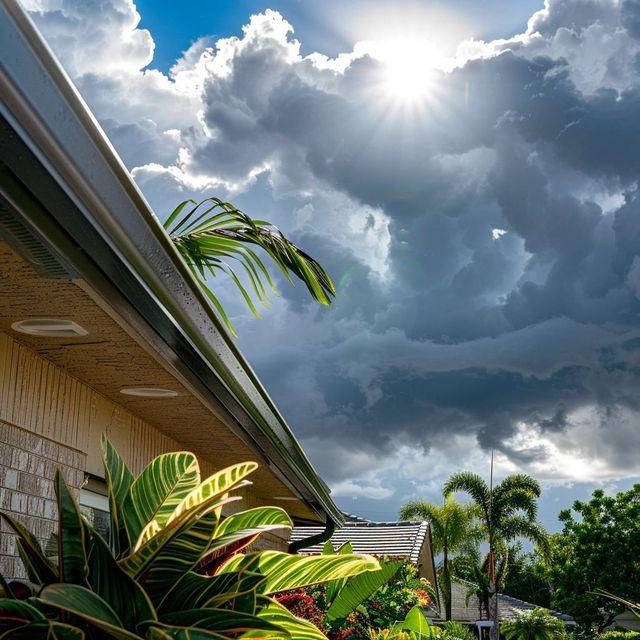
New to hurricane season in Central Florida? Use this roof and exterior checklist to find weak spots, plan repairs, and prepare your home before severe weather arrives.
Your first hurricane season in a new Central Florida home can bring more questions than you expect. Is the roof ready? Are the gutters clear? Do the windows and doors have proper protection? What about the trees, drainage, and insurance?
Before the next storm is on the way, take some time to learn your home's condition and find any weak spots. A little preparation now can help you avoid costly surprises, rushed repairs, and bigger problems when severe weather arrives.
From your roof and gutters to your yard and insurance policy, here's what every new Central Florida homeowner should check before the next storm.
Why your first storm season deserves extra planning
A newly purchased home may be new to you, but it is not necessarily a new home. You may not know the roof's full history, which repairs were made before you moved in, or where water tends to collect during heavy rain.
Central Florida weather can also be hard on a home. Strong sun, heat, humidity, and heavy afternoon rain can slowly wear down roofing and exterior materials. Then, when a tropical storm or hurricane arrives, those small weak spots can become bigger problems.
Strong winds can also push rain sideways. Water may find its way into areas around flashing, vents, windows, doors, or damaged siding instead of simply falling onto the roof.
Don't wait until a storm is headed toward Central Florida to start preparing. Contractors, materials, and appointments can become harder to find when a storm is approaching.
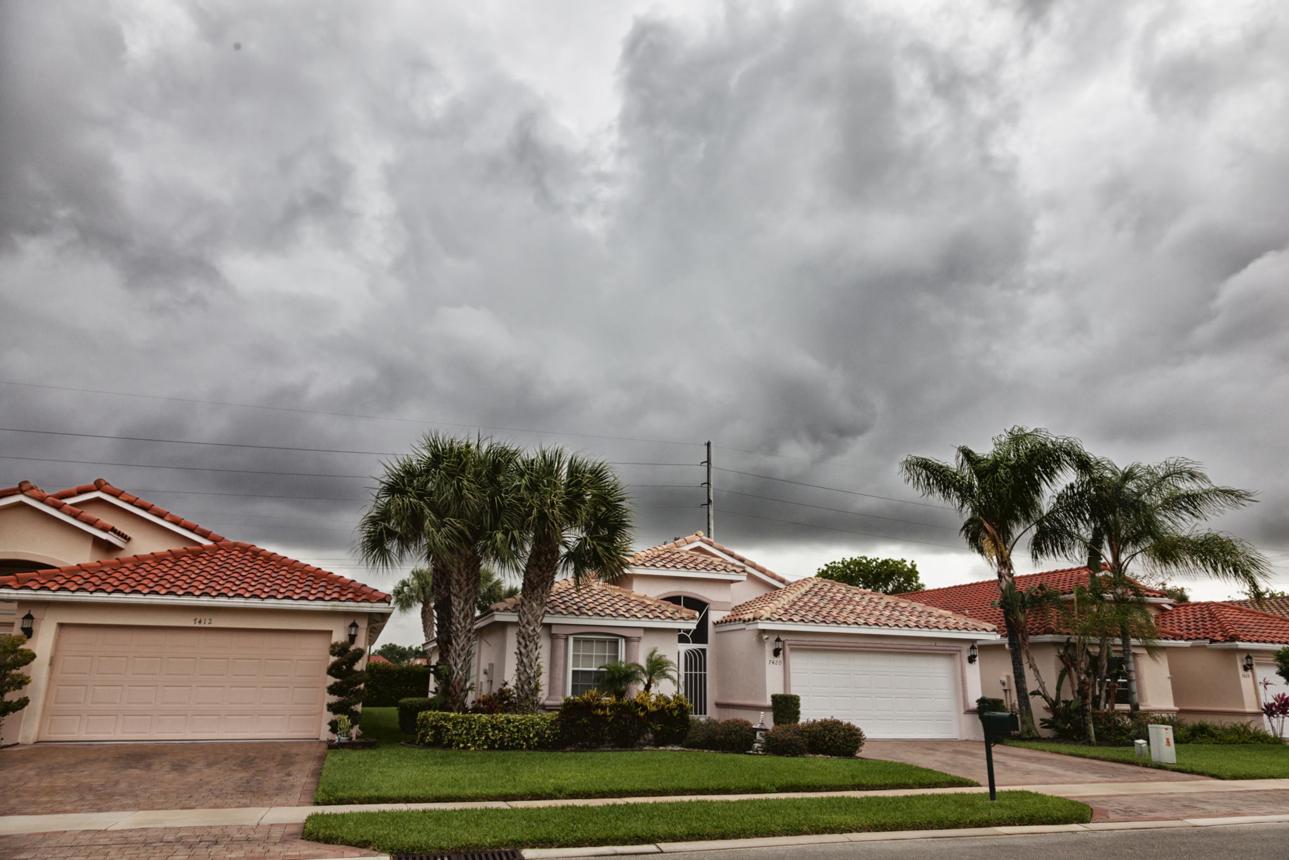
1. Learn the roof’s current condition
Start by looking through the documents you received when you bought the home. Find out when the roof was installed and what type of roofing material it has. Look for repair records, permits, warranties, and past insurance paperwork.
Don't assume that a roof that looks new from the ground is free of problems.
You can use binoculars or a camera with zoom to look for visible issues from the ground. Do not climb onto the roof yourself. Roofs can be slippery, and stepping in the wrong place can also cause damage.
Watch for:
Missing, lifted, cracked, or uneven shingles
Broken, slipped, or missing roof tiles
Loose-looking metal panels or edge pieces
Damaged flashing around walls, vents, and chimneys
Sagging roof areas or uneven roof lines
Debris trapped in valleys, where roof slopes meet
Stains on ceilings or inside the attic
Light visible through roof boards in the attic
A professional roof inspection can help find problems that are difficult to see from the ground. Ask for the findings in writing and find out which repairs need attention right away and which can be handled as routine maintenance.
Check the attic, too!
If your attic is safe to enter, take a look during daylight and again after a heavy rain.
Look for wet insulation, dark or stained wood, rusty fasteners, musty smells, or water marks. Be careful where you step, and never enter the attic during a storm.
You should also make sure attic vents are clear and in good condition. Blocked or damaged vents can lead to heat and moisture problems.
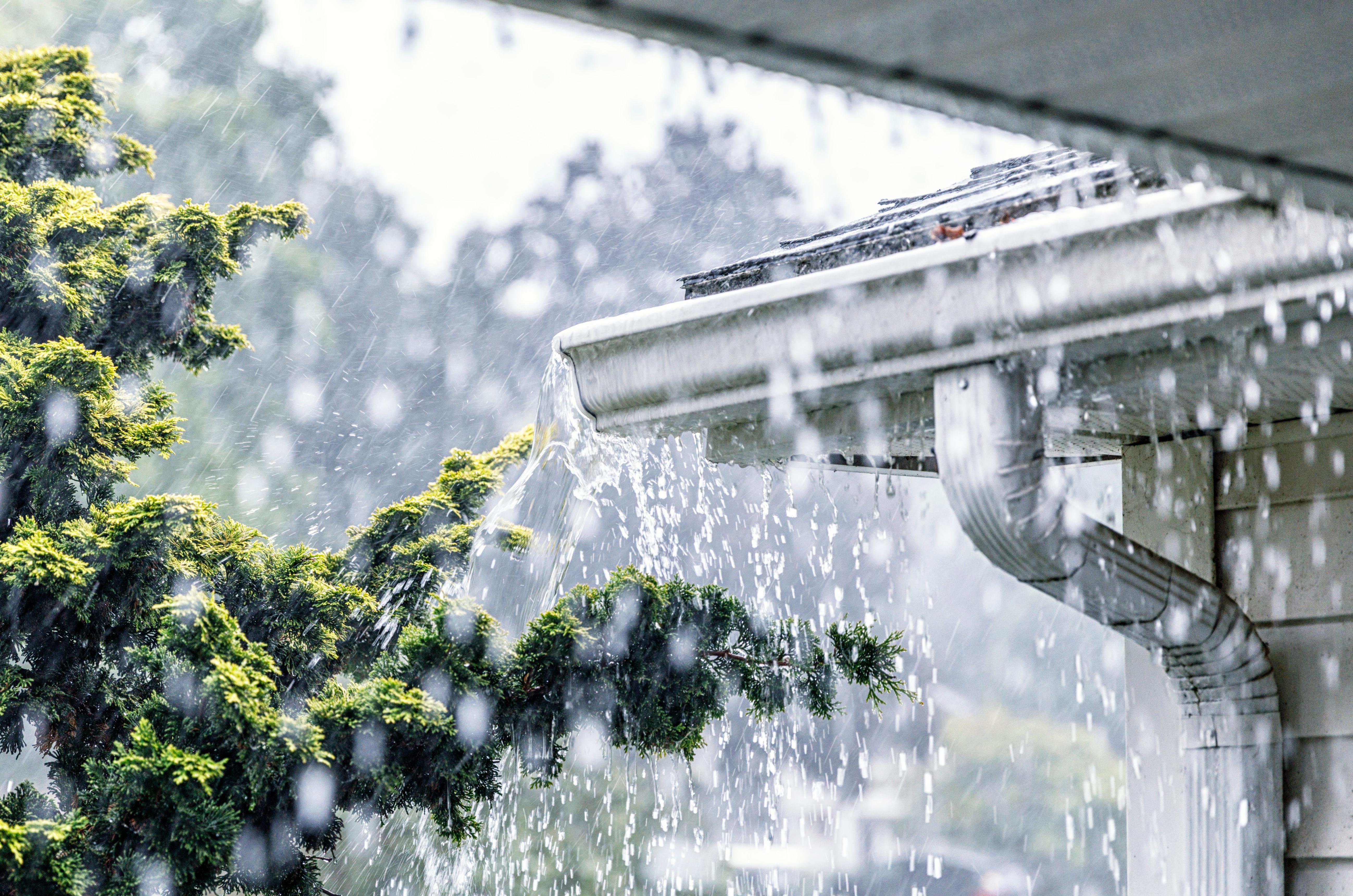
2. Inspect gutters, downspouts, soffits, and fascia
Gutters move roof runoff away from walls and the foundation. Leaves, pine needles, and roof grit can block that flow. Water may then spill over the edge, soak fascia boards, or collect near the house.
Inspect the full gutter system from the ground where possible. Look for gutters that sag, pull away from the house, leak, or hold standing water. Make sure your downspouts are clear and send water away from the home. You don't want heavy rain collecting right next to your foundation.
You should also check your soffits and fascia. Soffits cover the underside of your roof's overhang, while fascia runs along the edge of the roof. Both can be damaged by water, age, pests, and storms.
Be on the lookout for:
Loose, cracked, stained, or missing panels
Peeling paint or soft wood along the roof edge
Animal or insect activity near the overhang
Dark patches that may point to trapped moisture
Sections that move or rattle on windy days
If you notice these problems, soffit work may be needed before the next major storm.
3. Test windows, doors, and exterior walls
Close and lock your windows and exterior doors. They should open, close, and lock properly without large gaps. Pay close attention to sliding glass doors and garage doors because they have large openings that can be more exposed during a storm. If your home has shutters or another type of storm protection, find all of the parts now.
Make sure you know which pieces go with which windows and that you have the tools and fasteners you need. Don't wait for a hurricane warning to figure out how your storm protection works. Follow the manufacturer's instructions and make sure everything is ready before you need it.
Walk around the outside of your home and look at the siding, stucco, trim, vents, and areas around pipes or other openings.
Cracks, loose siding, damaged sealant, and gaps can allow water into your home. A fresh coat of paint will not fix damaged materials or an active leak.
4. Reduce hazards around the yard
Hurricane preparation isn't only about the house itself. Anything outside can become a problem during a storm.
Look for dead or weak branches, especially branches hanging over your roof. Trim them before a storm is approaching. For large branches or trees near power lines, use a qualified tree professional.
You should also have a plan for securing outdoor items such as:
Patio furniture and umbrellas
Grills and portable fire pits
Planters and hanging baskets
Trash and recycling bins
Pool tools, toys, and cleaning equipment
Loose decorations and landscape edging
Portable sports equipment
Keep drainage areas clear, too. If your property has swales or other drainage paths, make sure they are not blocked by branches, leaves, or other debris.
5. Document the home and review insurance
Before a storm arrives, take clear photos and videos of your home. Photograph the roof from the ground, each side of the house, windows, doors, gutters, fences, and major outdoor equipment. Take photos of your rooms and valuable belongings inside the home, too. Keep copies somewhere safe and easy to access.
You should also review your homeowners insurance policy before hurricane season. Make sure you know:
How to contact your insurance company
What your hurricane or wind deductible is
What types of damage your policy covers
What you are expected to do after damage occurs
Flood damage may be handled differently from wind or roof damage, so contact your insurance provider if you have questions about your specific policy. Keep your insurance information, repair records, inspection reports, permits, and contractor invoices together.
If your home is damaged after a storm, take photos before cleaning up when it is safe to do so. Take reasonable steps to prevent more damage, but avoid making major or permanent repairs before you understand what your insurance company requires. Keep in mind that your insurance company, not your roofing contractor, decides what your policy covers.
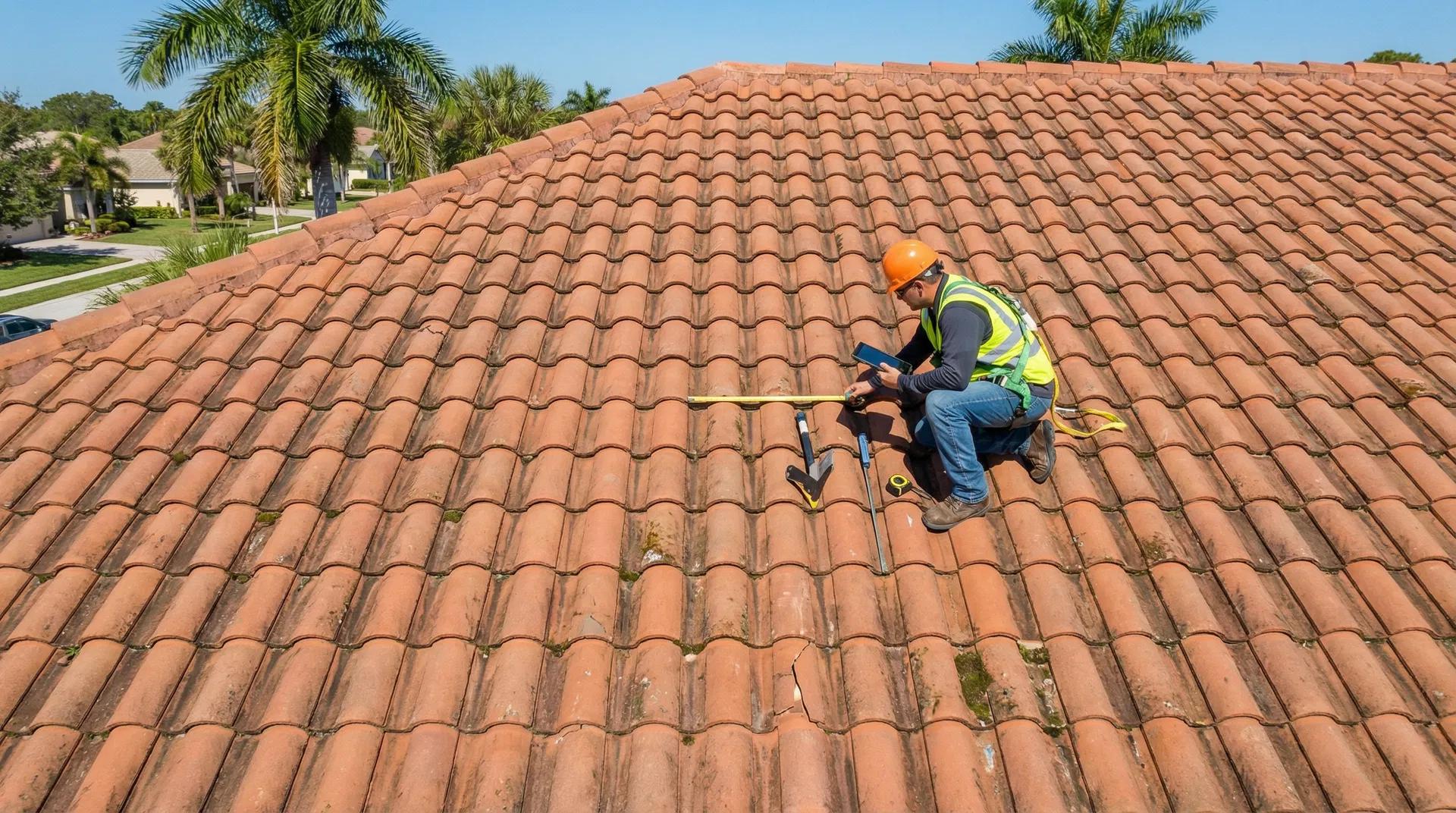
6. Handle repairs, permits, and inspections before a storm
If you find problems during your inspection, don't put them off until a storm is approaching. Depending on the type of work, Florida roofing and exterior repairs may require a permit. Ask your contractor whether a permit is needed and who will handle it.
When hiring a contractor, make sure the company is properly licensed and insured for the work being done. Get a written estimate that explains the materials, work to be completed, cleanup, payment terms, and permit responsibilities.
Be especially careful after a storm. Avoid contractors who pressure you to sign a contract right away or make promises that seem too good to be true.
If a larger repair or replacement is needed, financing options may help you plan the project before severe weather arrives.
7. Build a safe post-storm plan now
Your hurricane plan shouldn't end when the storm passes. Wait until local officials say it is safe to go outside. Watch for downed power lines, broken glass, standing water, loose branches, and damaged parts of the home.
Never climb onto a wet or damaged roof. Instead, inspect your home from the ground and check the inside for signs of damage.
Look for missing materials, dents, displaced flashing, ceiling stains, damp attic areas, and water near windows or doors. Even if the roof looks normal, wind-driven rain can reveal a hidden weak spot later.
If you have an active leak, move furniture and other belongings away from the area if it is safe to do so. Do not climb onto the roof to place a tarp yourself. Roof access can be dangerous, especially after a storm.
Your first-season checklist at a glance
Before the next storm, make sure you:
Find your roof, permit, warranty, and repair records.
Schedule a roof and exterior inspection.
Clean your gutters and downspouts.
Clear roof valleys and drainage paths.
Repair loose soffits, fascia, siding, flashing, and trim.
Check windows, exterior doors, locks, and storm protection.
Trim weak branches and make a plan for outdoor items.
Photograph your home and valuable belongings.
Review your insurance information and deductibles.
Make a safe plan for checking your home after a storm.
Don't Wait for the Next Storm
Your first hurricane season in a new home doesn't have to be a guessing game. Taking a little time to understand your home's condition now can help you spot problems before they become emergencies.
If you aren't sure about the age or condition of your roof, Certified Best Roofing can help. We serve Oviedo and Central Florida with roofing and exterior remodeling services.
Request an estimate and take the first step toward getting your home ready for the rest of hurricane season.
Frequently asked questions
- When should I prepare my Central Florida home for hurricane season?
- Begin several months before severe weather is expected, if possible. Early preparation gives you time to schedule inspections, complete repairs, obtain permits, and learn how your storm protection works before contractors become busy.
- Should I climb onto my roof to check for hurricane damage?
- No. A roof can be slippery, unstable, or damaged in ways that are not visible from the ground. Use binoculars or camera zoom for a basic check, then hire a qualified roofing contractor if you see damage or suspect a leak.
- What roof problems should a new Central Florida homeowner look for?
- Look for missing or lifted shingles, broken tiles, loose metal, damaged flashing, clogged valleys, sagging areas, and ceiling stains. In the attic, damp insulation, dark wood, rust, or musty odors may also point to a moisture problem.
- Do roof repairs in Florida require a permit?
- Some roof and exterior projects require local permits and inspections, depending on the work. Ask your contractor which permits apply, who will obtain them, and how you will receive proof that required inspections were completed.
- What should I photograph before a hurricane?
- Take dated photos of every roof slope from the ground, exterior walls, gutters, windows, doors, fences, and outdoor equipment. Also document indoor rooms and valuable contents, then store copies somewhere you can access if a device is lost or damaged.
- What should I do if my roof leaks during a hurricane?
- Stay indoors and away from unsafe ceilings, windows, and electrical hazards. Move belongings when safe and use containers for dripping water, but do not enter the attic or climb onto the roof until the storm has passed and conditions are safe.
- hurricane season
- roof inspection
- storm preparation
- home maintenance
- central florida
Need a roof you can stop thinking about?
Free inspections and estimates across Central Florida, with financing available.