
Emergency Roof Repair in Central Florida: What to Do First
November 24, 2026 · Certified Best Roofing
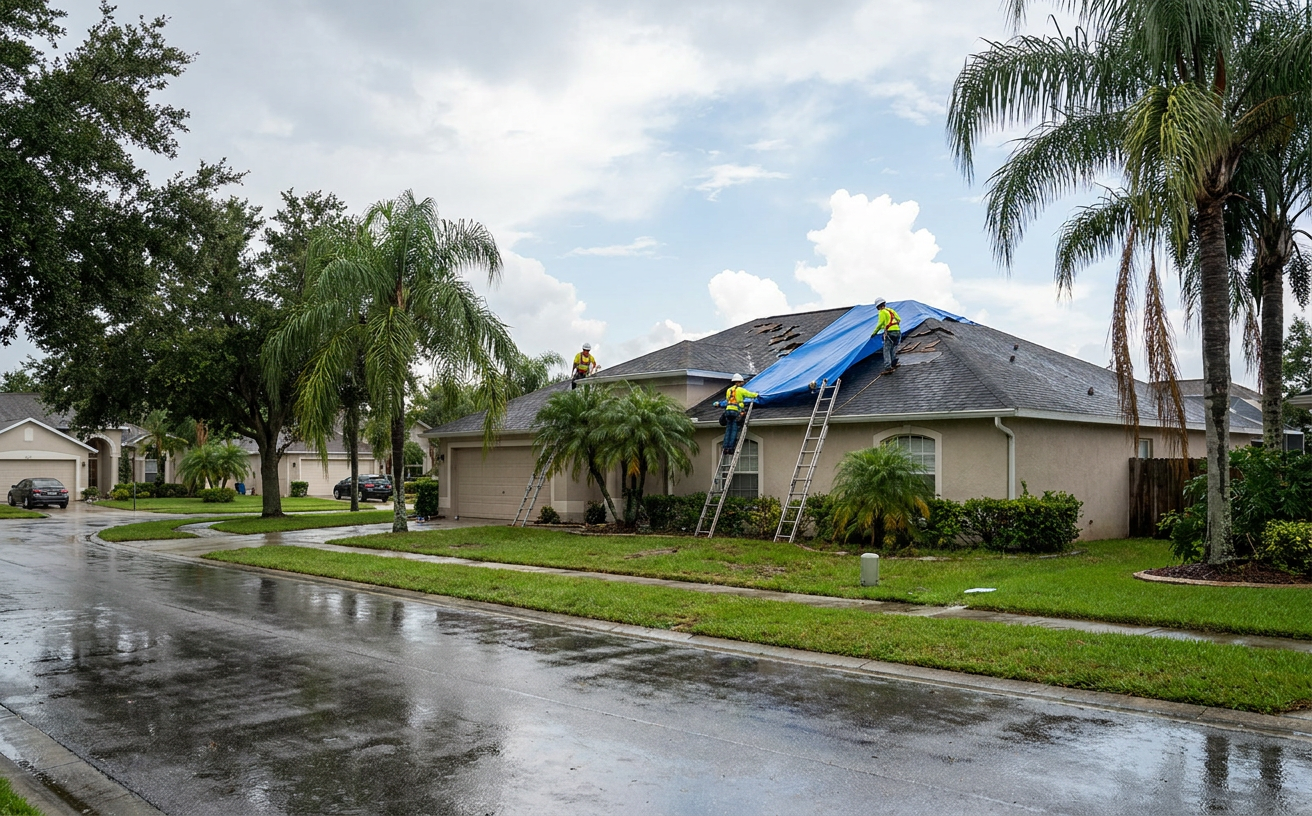
A damaged roof can quickly let Florida rain into your home. Learn what to do first, when to request a tarp, and what to save for an insurance claim.
A roof emergency can happen when you least expect it. One minute, everything seems fine. The next, water is dripping through your ceiling, shingles are scattered across your yard, or a fallen tree branch has damaged your roof.
When something like this happens, knowing what to do next can make a big difference. Your first priority should always be safety, followed by taking steps to limit further damage and getting professional help.
If you're dealing with a roofing emergency in Central Florida, here's what you need to know about protecting your home, documenting damage, and getting repairs started.
What Counts as a Roofing Emergency?
A roofing emergency is damage that creates an immediate safety risk or allows more damage to happen quickly. Central Florida’s heavy rain, high humidity, strong sun, and storm season can turn a small opening into major water damage.
Common roofing emergencies include:
Water actively entering a ceiling, wall, attic, or electrical area
A tree limb or other object puncturing the roof
A large section of missing shingles, tile, or metal roofing
Exposed roof decking, which is the wood layer under the roof covering
A sagging roof area or a ceiling that looks ready to fall
Loose roofing materials that may fall or blow into nearby property
Damage around a chimney, vent, skylight, or roof edge that is letting in rain
A small stain with no active water may not require a middle-of-the-night response. It still needs prompt attention. Florida heat and humidity can keep hidden materials damp, so delayed roof leak repair may lead to damaged insulation, drywall, or wood.
What Should You Do When Water Is Entering the House?
Do not focus on finding the exact roof opening during a storm. Water can travel along roof decking, pipes, and framing before appearing indoors. The wet spot inside may be several feet from the actual roof damage.
Move people and pets. Keep everyone away from sagging ceilings, broken glass, fallen tree limbs, and wet electrical fixtures.
Address electrical danger. Do not touch wet switches, outlets, lights, appliances, or wiring. If you suspect an electrical hazard, leave the area and contact emergency services or the electric utility.
Catch water when safe. Place buckets or waterproof containers under drips. Use towels or plastic sheeting to protect flooring and furniture without standing beneath a bulging ceiling.
Move belongings. Relocate electronics, furniture, rugs, documents, and valuables from the wet area.
Document the damage. Take photos and video from a safe indoor or ground-level position.
Call a roofer. Request emergency roof repair and explain whether water is active, a tree is involved, or roofing material is missing.
If a tree has damaged the home, watch for power lines and unstable branches. Do not enter an area that appears structurally unsafe. Emergency services and the utility company should handle immediate life, fire, and electrical hazards before roofing work begins.
Should You Climb Onto a Storm-Damaged Roof?
No. Homeowners should not climb onto a storm-damaged roof. Wet shingles, tile, metal, leaves, and algae can be very slippery. Wind may also have loosened materials that look secure from the ground.
Storm damage can weaken the roof deck beneath the visible surface. Stepping in the wrong place may cause a fall or further damage. Walking on tile can also crack pieces that were not harmed by the storm.
Do not climb a ladder for a closer look during rain, lightning, or strong wind. Take ground-level photos if conditions are safe, then let a roofing professional inspect the surface.
When Is Emergency Roof Tarping Appropriate?
Emergency tarping is a temporary way to cover an opening until permanent repairs can be completed. It may be appropriate when shingles or tiles are missing, the roof deck is exposed, a branch has created a hole, or more rain is expected before repairs can begin.
A tarp may also help after a hurricane or strong thunderstorm when roofers, materials, adjusters, or permit offices are handling a high volume of damage. Professional roof tarping should be installed only when weather and roof conditions allow safe access.
A tarp is not a permanent repair. It can shift, tear, or trap water if installed poorly. It should not be installed during active lightning, high winds, or other unsafe conditions.
What a Tarp Does and Does Not Do
It helps limit new rain entry through a known damaged area.
It gives the home short-term protection while the repair plan is prepared.
It does not repair wet wood, damaged flashing, broken tile, or punctured decking.
It does not prove that every leak source has been covered.
It does not guarantee insurance coverage for the damage.
What Should You Save for an Insurance Claim?
Insurance policies, duties, and deadlines vary. If wind, hail, a fallen object, or another covered event may be involved, contact your insurer promptly. Ask what immediate steps you must take to limit additional damage.
Save clear records without putting yourself at risk. Useful claim information may include:
The date and approximate time you first noticed the damage
Notes about the storm and when water entry began
Wide photos showing the full room or exterior side of the home
Close photos of stains, drips, damaged ceilings, and affected belongings
Ground-level photos of missing or displaced roofing materials
Short videos showing active water entry
A list of damaged personal property
Receipts for tarping, water removal, temporary lodging, or other emergency work
Emails, claim numbers, inspection reports, and records of phone calls
Do not throw away damaged materials or belongings until your insurer tells you what documentation is required, unless keeping them would be unsafe or unsanitary. Avoid altering the damage more than needed to protect the home.
A roofing contractor can document visible conditions and explain the proposed work. However, the insurer decides what the policy covers. Our insurance claim support can help homeowners understand the roofing documents and repair information used during the process.
What Happens After the Immediate Danger Passes?
Emergency work usually begins with making the property safe and stopping more water from entering. The next step is a detailed inspection. The roofer may check roofing materials, flashing, vents, roof edges, decking, attic areas, and signs of trapped moisture.
Some leaks need a focused repair. Wider storm damage may call for a larger repair plan or roof replacement. A trustworthy contractor should explain what is damaged, what is temporary, and what permanent work is recommended.
Permanent roofing work may require a permit and inspections, depending on the scope and local building department. Requirements can differ across Oviedo, Orlando, Sanford, Winter Springs, and other Central Florida communities. Your contractor should confirm the permit process before covered work begins.
How Can You Prepare Before Help Arrives?
Clear the driveway when possible so the roofing crew can reach the home. Keep children and pets inside and away from work areas. If roofing pieces have fallen into the yard, leave them in place unless they create an immediate hazard.
Have basic information ready when you call:
Your address and best callback number
Whether water is actively entering
Whether a tree, power line, or structural concern is present
The roof type, if known
Any safe photos or video
Whether an insurance claim has been opened
If the final scope is larger than expected, qualified homeowners may review available financing options. Insurance approval and financing are separate processes.
Get Emergency Roof Help in Central Florida
Fast action can limit damage, but safety comes first. Stay off the roof, protect the interior only when it is safe, and arrange a professional assessment.
Certified Best Roofing serves Oviedo and communities across Central Florida. Call 407-602-3363 or request a roof repair estimate to discuss the damage and the next safe step.
Frequently asked questions
- What qualifies as an emergency roof repair?
- Active water entry, a roof puncture, exposed decking, major missing materials, sagging areas, or loose materials can qualify as roofing emergencies. Damage near electrical wiring or damage that makes part of the home unsafe requires immediate attention.
- What should I do first if water is coming through my ceiling?
- Move people, pets, electronics, and furniture away from the area. Catch dripping water only if it is safe, avoid wet electrical fixtures, document the damage, and contact a roofing contractor.
- Should I puncture a bulging ceiling to release water?
- Do not stand beneath or touch a bulging ceiling because wet drywall can collapse without warning. Keep people away and contact a qualified professional to assess the safest way to handle it.
- When should an emergency roof tarp be installed?
- A tarp may be useful when storm damage has exposed the roof deck or created an opening and permanent repair cannot happen right away. It should be installed by a professional only when wind, rain, and roof conditions allow safe access.
- Can I climb onto my roof to take insurance photos?
- No. Storm-damaged roofs may be wet, loose, or weakened beneath the surface. Take photos from the ground or inside the home and allow a roofing professional to document rooftop conditions.
- What photos should I take for a roof insurance claim?
- Take wide and close photos of interior water damage, affected belongings, and visible exterior damage from the ground. Save videos of active leaks, the date damage appeared, receipts, claim information, and all communication with contractors and the insurer.
- Does emergency tarping mean the roof is repaired?
- No. A tarp is temporary protection intended to limit additional rain entry. The roof still needs an inspection and permanent repair, which may involve permits and inspections depending on the work.
- emergency roof repair
- roof leaks
- roof tarping
- storm damage
- insurance claims
Need a roof you can stop thinking about?
Free inspections and estimates across Central Florida, with financing available.